In short
- April to May brings blossoms, June to September is the main season, and October has golden autumn colours.
- Flights to Gilgit and Skardu save days but depend on the weather; keep a buffer day.
- Carry enough cash: ATMs and card machines are limited outside the main towns.
- A week is enough to see the highlights of both Hunza and Skardu.
Gilgit-Baltistan is Pakistan at its most breathtaking. In Hunza you can wake up to views of Rakaposhi and Ultar Sar; in Skardu you can stand on the edge of the Deosai Plains or watch the sunset over Shangrila Lake. Here is how to plan it well.
Best time to visit
- April to May – apricot and cherry blossoms in Hunza; cool, clear days.
- June to September – the main season. All roads and high passes are usually open, and Deosai is green with wildflowers.
- October to early November – golden poplar trees, fewer crowds and crisp air.
- Winter – beautiful snow scenes, but very cold, with some roads and passes closed.
How to get there
By air
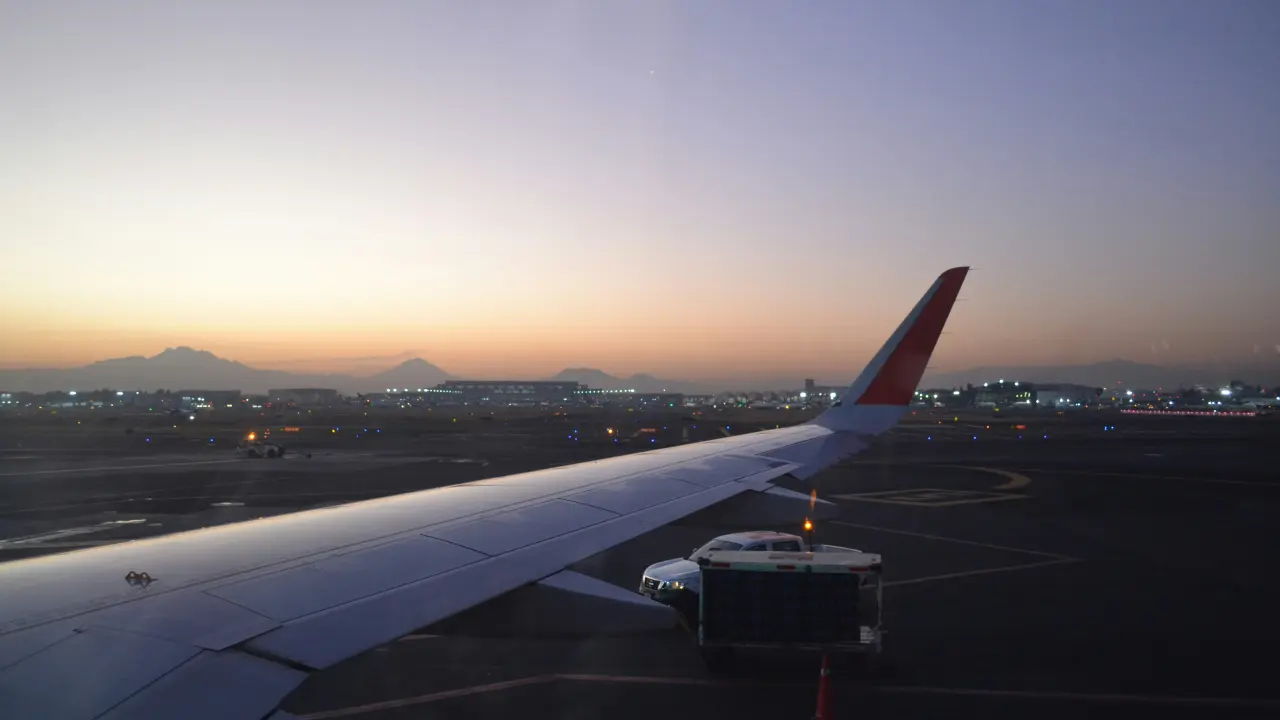
Flights from Islamabad to Gilgit and Skardu turn a two-day drive into an hour of spectacular mountain views. They depend on clear weather, so plan one buffer day and keep your onward plans flexible.
By road
The Karakoram Highway (KKH) is one of the great road journeys of the world. Most travellers break the drive from Islamabad into two days. In summer, the route through Naran and the Babusar Pass is a scenic alternative.
Top things to see in Hunza
- Karimabad – the heart of Hunza, with cafés, craft shops and valley views.
- Baltit and Altit Forts – centuries-old royal forts, beautifully restored.
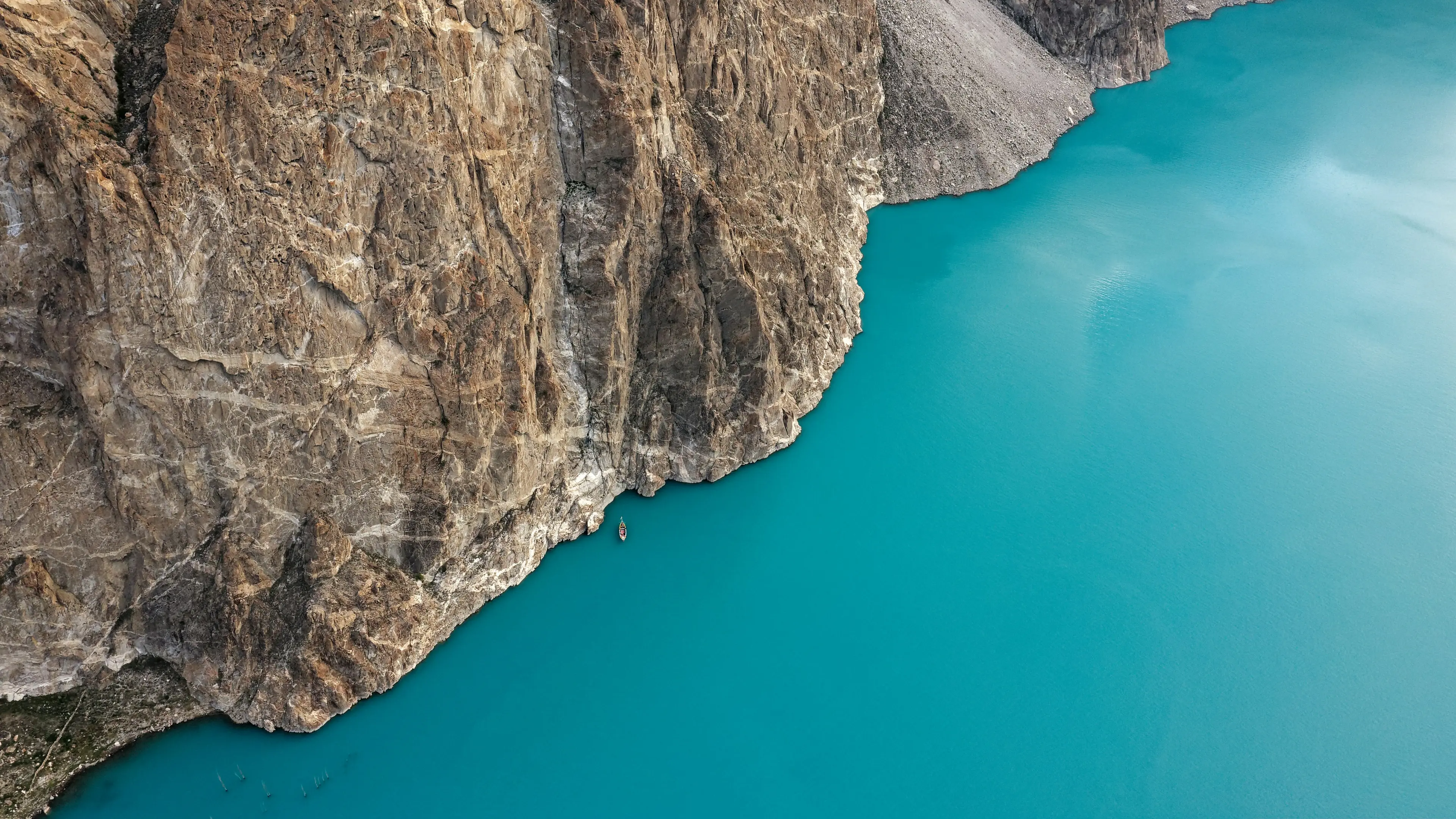
- Attabad Lake – brilliant turquoise water; take a boat ride or simply enjoy the view.
- Passu Cones – the jagged peaks that appear on every Hunza postcard.
- Khunjerab Pass – the Pakistan–China border at around 4,700 metres, usually open from spring to autumn.
- Eagle's Nest – the best sunrise and sunset viewpoint in the valley.
Top things to see in Skardu
- Shangrila Resort and Lower Kachura Lake – a calm lake surrounded by orchards.
- Upper Kachura Lake – clear water and a peaceful walk.
- Shigar Fort – a restored 17th-century fort, now a heritage hotel.
- Deosai Plains – one of the highest plateaus in the world, open in summer only.
- Katpana Cold Desert – sand dunes with snow-capped mountains behind them.
A relaxed 7-day itinerary
| Day | Plan |
|---|---|
| 1 | Fly Islamabad to Gilgit, drive to Karimabad, evening at Eagle's Nest |
| 2 | Baltit and Altit Forts, cafés and walks in Karimabad |
| 3 | Attabad Lake, Hussaini Bridge and Passu Cones |
| 4 | Day trip to Khunjerab Pass (in season) |
| 5 | Drive to Skardu, sunset at Shangrila |
| 6 | Deosai Plains (summer) or Shigar Fort and Katpana Desert |
| 7 | Upper Kachura Lake, fly Skardu to Islamabad |
Where to stay
Hunza and Skardu have everything from family guesthouses to heritage hotels. A few favourites you can book with us:
- Luxus Hunza – modern rooms right on Attabad Lake.
- Eagle's Nest Hotel – famous for its sunrise views over the valley.
- Shangrila Resort Skardu – the classic lakeside resort at Lower Kachura.
- Serena Shigar Fort – stay inside a restored royal fort.
See prices and rooms for hotels in Hunza and hotels in Skardu.
Practical tips
- Carry enough cash; ATMs can be unreliable outside Gilgit, Karimabad and Skardu.
- Pack warm layers even in summer, as evenings at altitude are cold.
- Mobile coverage varies by network; download offline maps before you go.
- Take it slowly at high altitude, drink water and rest if you feel unwell.
- Dress modestly and ask before photographing people, especially women.
Frequently asked questions
June to September is the main season, when all roads and passes are usually open. April and May are best for blossoms, and October for autumn colours.
Seven days is enough for the highlights of both valleys if you fly at least one way. Add two or three days if you travel by road.
It is a popular destination for families and tourists. Check road and weather conditions, avoid driving at night on mountain roads, and use experienced local drivers.
No. It usually opens in spring and closes in late autumn for the winter, depending on snow. Check before you plan a visit.