In short
- Umrah can be performed any time of year except the Hajj days; Ramadan and school holidays are the busiest and most expensive.
- Most Pakistani pilgrims travel on a package that bundles visa, return flights, hotels and transport.
- Your passport should be valid for at least six months after your return date.
- Book Rawdah visits in Madinah through the official Nusuk app before you arrive.
For millions of Pakistanis, Umrah is the journey of a lifetime. A little planning makes the difference between a rushed, stressful trip and one where you can focus completely on worship. This guide walks you through every stage, from choosing your dates to completing your final Tawaf.
When is the best time to go?
Umrah can be performed throughout the year, except during the days of Hajj. Each season has its own character:
- Ramadan – the most rewarding and the most crowded. Prices for hotels near the Haram rise sharply, especially in the last ten nights. Book months in advance.
- December to February – pleasant weather in Makkah and cool nights in Madinah. Winter school holidays make late December busy.
- Shawwal to Sha'ban (outside holidays) – quieter mosques and the best value, although summer daytime temperatures can be very high.
Visa options for Pakistani pilgrims
Saudi Arabia offers more than one route to perform Umrah, and the rules are updated from time to time. The two common options for Pakistanis are:
- An Umrah package through an authorised agent – the agent applies for your visa as part of a package that includes hotels and transport. This is the simplest option for families and first-time pilgrims.
- A Saudi visit or tourist visa – where eligible, this allows you to perform Umrah outside the Hajj season and arrange your own hotels and travel.
Always confirm the current requirements on the official Saudi visa platform or with your agent before booking flights, because eligibility, fees and processing times change.
What a good Umrah package includes
Packages vary a lot in price, and the difference usually comes down to a few things. Compare these carefully:
| What to compare | Why it matters |
|---|---|
| Hotel distance from the Haram | A hotel within walking distance saves energy for prayers, especially for elderly pilgrims. |
| Room sharing (quad, triple, double) | Quad sharing is the most affordable; double sharing gives families privacy. |
| Nights in Makkah vs Madinah | Most groups spend about 60% of the trip in Makkah. |
| Flights and baggage | Direct flights are shorter; check baggage allowance for Zamzam and gifts. |
| Transport and Ziyarat | Airport transfers, the Makkah–Madinah journey and guided Ziyarat should be included. |
You can compare current Umrah departures side by side, including hotel distance and seats left.
Documents checklist
- Passport valid for at least six months after your return date, with blank pages
- CNIC, and a NICOP if you live abroad
- Recent passport-size photographs with a white background
- Vaccination certificates: Saudi Arabia requires meningitis (ACYW) vaccination for pilgrims, and travellers from Pakistan are asked for polio vaccination. Check the latest health rules before you travel.
- For women, documents showing the relationship with a mahram if your visa type or agent requires them
- Printed copies of your visa, tickets and hotel vouchers
Smart packing list
- Two sets of Ihram for men; comfortable, modest clothing for women
- Unscented soap, shampoo and toiletries for while you are in Ihram
- Comfortable walking sandals and a small bag for shoes inside the mosque
- A light prayer mat, small Quran or dua book, and a refillable water bottle
- Basic medicines, oral rehydration salts and any prescriptions you take
- A power bank and a local SIM or roaming package for maps and the Nusuk app
The rites of Umrah, step by step
1. Ihram at the Miqat
Ihram is both the sacred state and the simple clothing you wear. Flights from Pakistan pass the Miqat before landing in Jeddah, so most pilgrims bathe and put on Ihram at home or at the airport, then make their intention (niyyah) when the crew announces the Miqat. Recite the Talbiyah often from that moment.
2. Tawaf
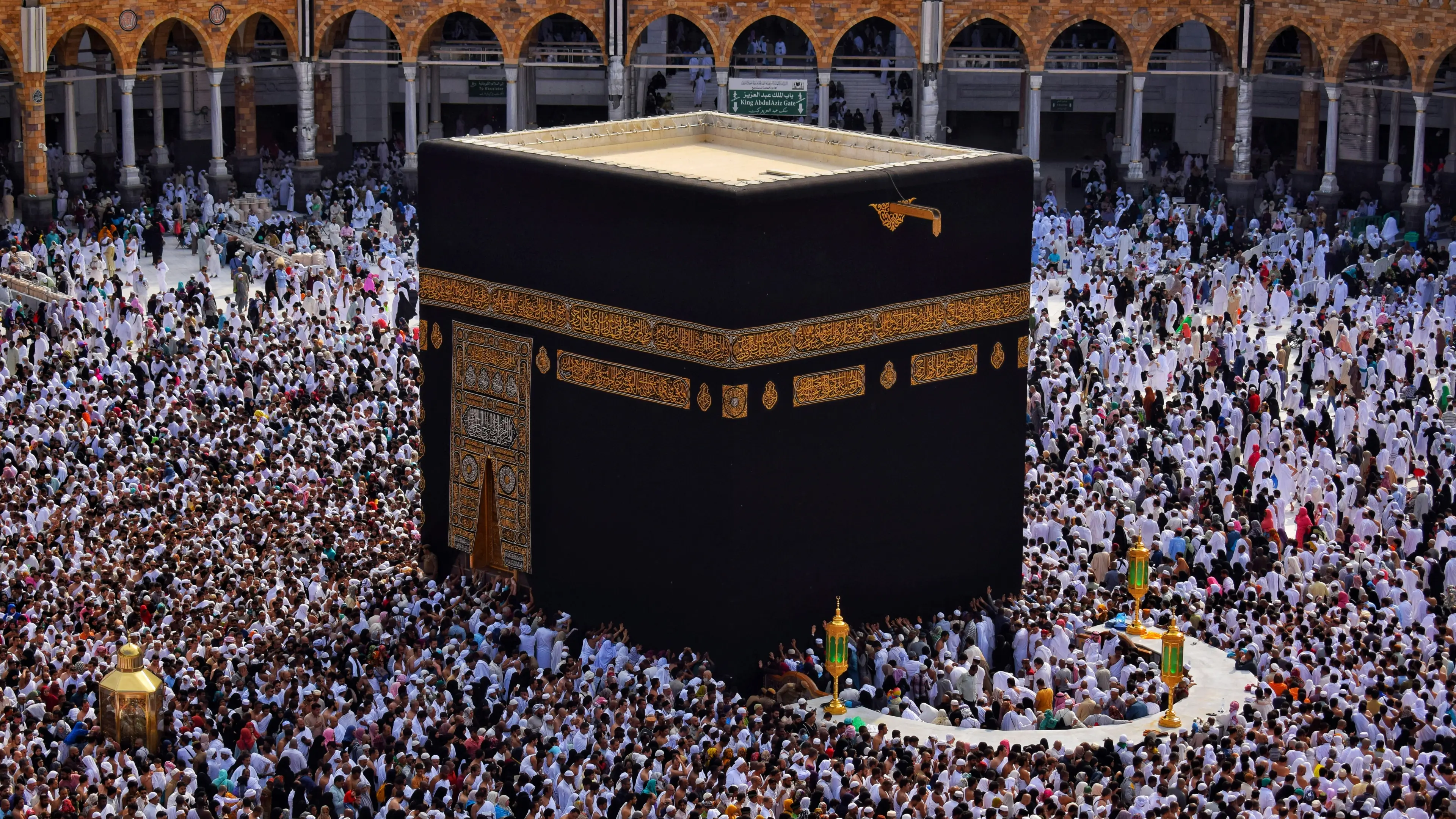
Enter Masjid al-Haram and circle the Kaaba seven times anticlockwise, starting from the Black Stone. Then pray two rak'ahs, ideally behind Maqam Ibrahim if space allows, and drink Zamzam water.
3. Sa'i
Walk seven times between the hills of Safa and Marwah, starting at Safa and ending at Marwah. The route is indoors, air-conditioned and well signposted.
4. Halq or Taqsir
Men shave their heads (halq) or trim their hair evenly (taqsir); women trim a fingertip's length. Your Umrah is now complete and the restrictions of Ihram are lifted.
Go at your own pace. The crowds are lighter late at night and after Fajr, which is a good time for elderly family members to perform Tawaf.
Visiting Madinah
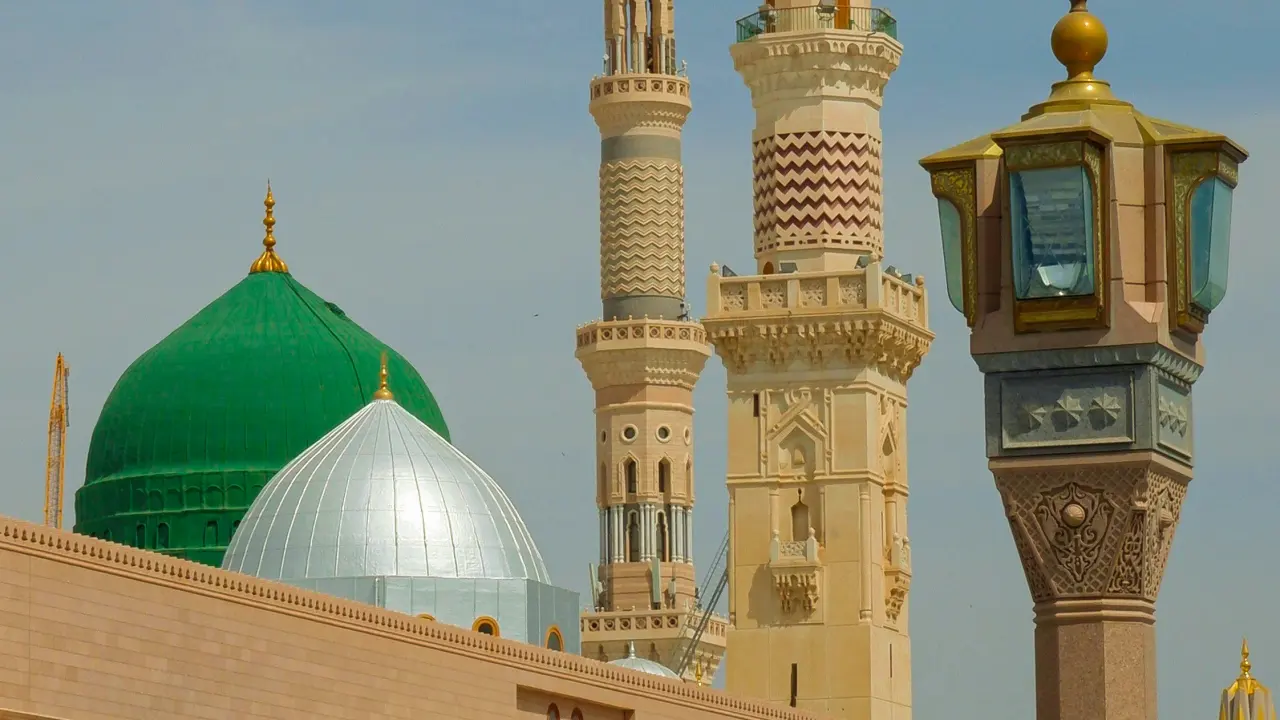
Most packages include several nights in Madinah. Pray in Masjid an-Nabawi, send salaam to the Prophet ﷺ, and use the Nusuk app to book a slot for the Rawdah. Ziyarat usually includes Masjid Quba, Mount Uhud and Masjid al-Qiblatayn.
Final tips for a peaceful Umrah
- Keep a photo of your hotel card and your group leader's number on your phone.
- Drink plenty of water and rest between prayers, especially in summer.
- Agree a meeting point with your family inside the Haram in case you get separated.
- Keep receipts and copies of documents in a separate bag from the originals.
Frequently asked questions
Most packages run from 10 to 21 days, split between Makkah and Madinah. Ramadan packages for the last ten nights are often around 12 to 15 days.
Saudi rules on this have changed in recent years and can depend on age and visa type. Check the current requirements with your agent or the official Saudi visa platform before booking.
Saudi Arabia requires meningitis (ACYW) vaccination for pilgrims, and travellers from Pakistan are asked for polio vaccination. Requirements are updated from time to time, so confirm them before you travel.
A package is usually better value for first-time pilgrims and families, because group rates on hotels, flights and transport are lower and the visa is handled for you.
Book four to six months ahead for Ramadan, and even earlier for the last ten nights, when hotels close to the Haram sell out first.